How to Help Children (and Yourself) Spot Fake Content

When you come across something online that looks surprising, shocking, or too good to be true, pause and ask yourself a few simple questions:
Who posted this?
Is it from a trusted news source, an official organisation, or a random account?
Can I find this story somewhere else?
If something’s real, you’ll usually see it reported in multiple reliable places.
Does it look a bit too perfect?
AI images often have subtle clues: strange hands, uneven lighting, warped backgrounds, or mismatched details like jewellery, clothing, or text.
What is it trying to make me feel?
Fake images often aim to shock, scare, or excite you — emotions that make us share things quickly without checking.
Is there a video version — and does it look natural?
Even lifelike robot videos can be created using motion capture or CGI. Notice how the lighting moves, how shadows fall, or if any part looks slightly ‘off’.
Keeping Your Own Photos Safe
It’s also worth talking about how we share our own images. Once a photo is online, it’s hard to control where it goes — and unfortunately, not everyone uses images responsibly.
Encourage children (and family members) to:
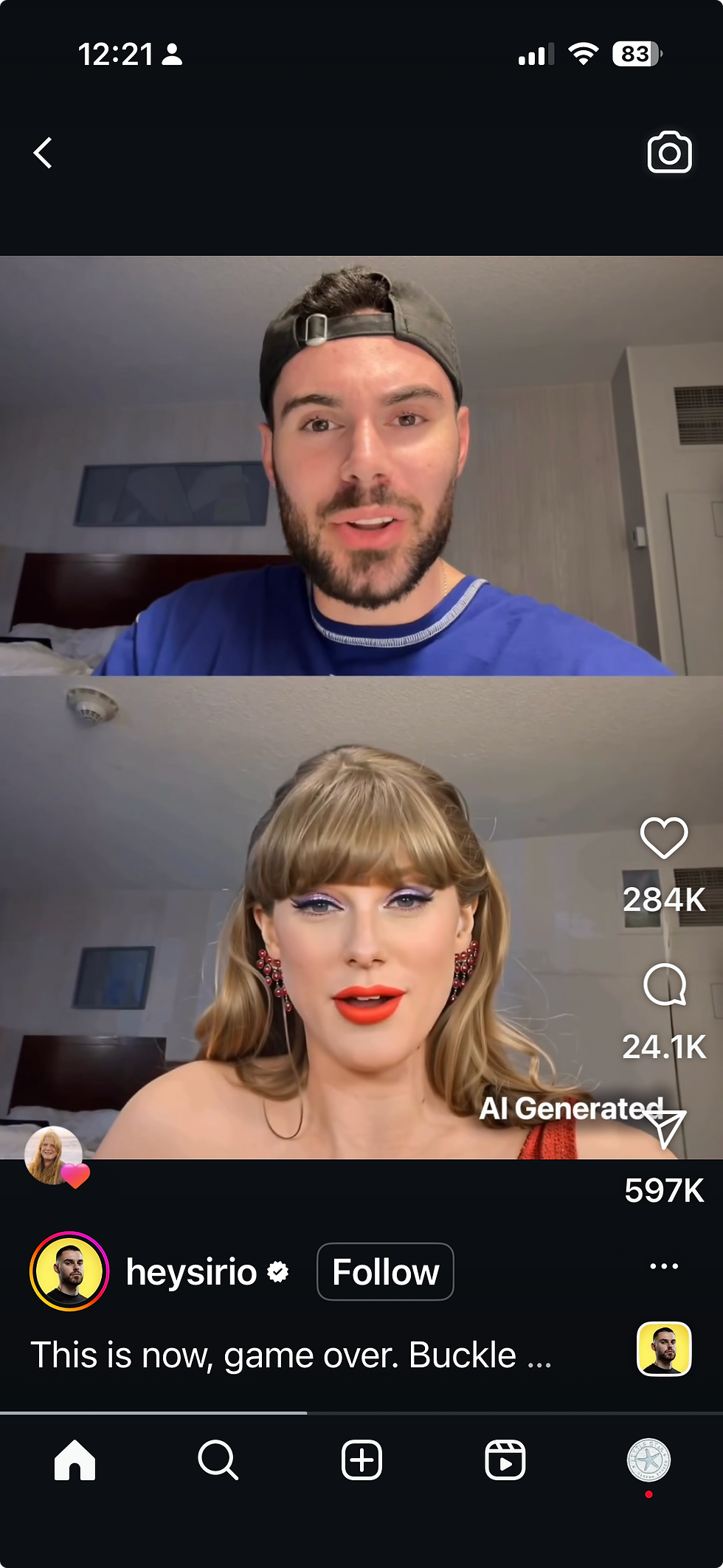
Avoid sharing identifiable photos of children’s faces. Sadly, images can be copied, altered, or misused by strangers online. If you want to share family moments, try showing hands, backs, or creative angles instead.
Think before posting. Ask: “Would I be happy for anyone to see this?”
Avoid showing personal details. Backgrounds can reveal school names, addresses, or locations.
Use private settings. Only share photos with people you know and trust.
Watermark creative work. If your child loves drawing or creating digital art, add their name or a logo before posting.
The Takeaway
Technology is amazing — it helps us learn, create, and connect — but it can also blur the line between fact and fiction. By encouraging children to look closer, ask questions, and check sources, we’re giving them one of the most valuable digital life skills they’ll ever need.
So next time you and your child play Pixel’s Spot the FAKE Game, take it as an opportunity to slow down, think critically, and remember that not everything online is what it seems.